Home / Dr Morepen /Amcard AT Tablet
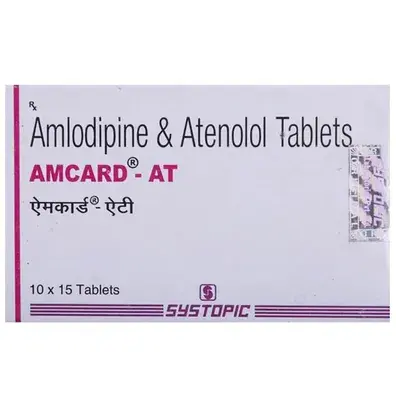
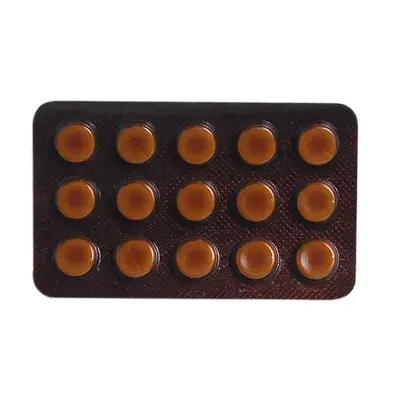
Amcard AT Tablet
Systopic Laboratories Pvt Ltd
₹39.23
₹43.59
10% OFF
15sBetablockersAntianginal

Prescription Required
Know Why?

Estimate Delivery by -


Cash on Delivery Available
Get your products first, then pay us once you're sure about your order
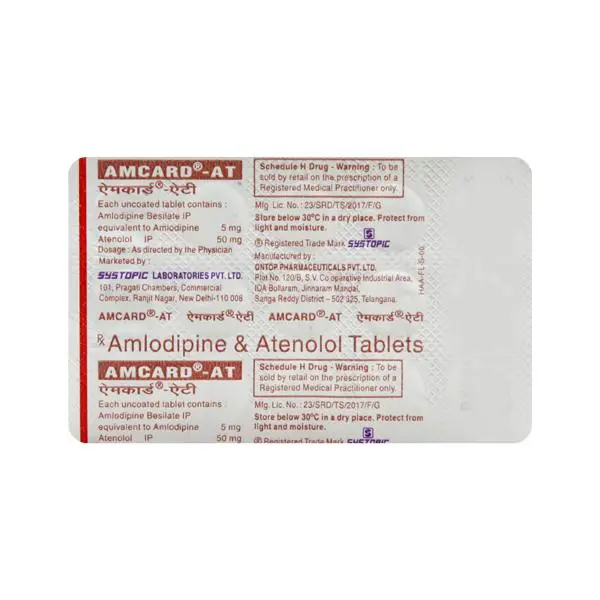
Amcard AT Tablet is a combination medicine prescribed for the treatment of hypertension (high blood pressure) and angina (heart-related chest pain). This medication contains Amlodipine 5mg+Atenolol 50mg, which work together to effectively control blood pressure, especially when a single medicine isn't sufficient. By lowering high blood pressure, Amcard AT Tablet helps reduce the risk of future heart attack and stroke.
You can take Amcard AT Tablet with or without food, but it's important to take it at the same time each day for consistent results. Continue taking this medicine for as long as your doctor advises, even if you start to feel better. High blood pressure often has no noticeable symptoms, and stopping the medication suddenly can worsen your condition. Adopting a healthy lifestyle, including regular exercise, maintaining a healthy weight, and a balanced diet, will also support blood pressure control. Always follow your doctor's instructions while on this medication.
Possible side effects include headache, slow heart rate, and nausea. Some individuals may experience dizziness, so avoid driving or activities requiring mental focus until you understand how this medicine affects you. Amcard AT Tablet may increase potassium levels in the blood; your doctor might advise avoiding potassium-rich foods or supplements. Regular monitoring of your blood pressure, kidney function, and electrolyte levels may be recommended during treatment.
Before starting Amcard AT Tablet, inform your doctor if you have any liver or kidney problems. Pregnant or breastfeeding women should also consult their doctor. Be sure to tell your doctor about all other medicines you are taking, especially those for high blood pressure or heart conditions.
You can take Amcard AT Tablet with or without food, but it's important to take it at the same time each day for consistent results. Continue taking this medicine for as long as your doctor advises, even if you start to feel better. High blood pressure often has no noticeable symptoms, and stopping the medication suddenly can worsen your condition. Adopting a healthy lifestyle, including regular exercise, maintaining a healthy weight, and a balanced diet, will also support blood pressure control. Always follow your doctor's instructions while on this medication.
Possible side effects include headache, slow heart rate, and nausea. Some individuals may experience dizziness, so avoid driving or activities requiring mental focus until you understand how this medicine affects you. Amcard AT Tablet may increase potassium levels in the blood; your doctor might advise avoiding potassium-rich foods or supplements. Regular monitoring of your blood pressure, kidney function, and electrolyte levels may be recommended during treatment.
Before starting Amcard AT Tablet, inform your doctor if you have any liver or kidney problems. Pregnant or breastfeeding women should also consult their doctor. Be sure to tell your doctor about all other medicines you are taking, especially those for high blood pressure or heart conditions.
Uses:
- Treatment of Hypertension (high blood pressure)
- Treatment of Angina (heart-related chest pain)
Directions of Use
Take Amcard AT Tablet exactly as prescribed by your doctor, regarding both dose and duration. Swallow the tablet whole without chewing, crushing, or breaking it. Amcard AT Tablet can be taken with or without food, but consistency in timing each day is important for optimal effectiveness.
Side effects
Most side effects of Amcard AT Tablet are mild and temporary, usually subsiding as your body adjusts. If any side effects persist or cause concern, please consult your doctor.
- Headache
- Flushing (a sensation of warmth in the face, ears, neck, and chest)
- Slow heart rate
- Palpitations
- Nausea
- Edema (swelling, particularly in the ankles or feet)
- Constipation
- Tiredness
- Cold extremities (hands and feet feeling cold)
