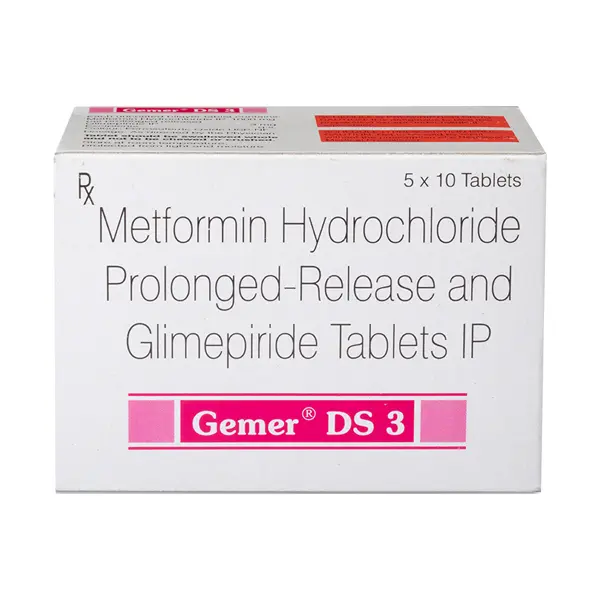
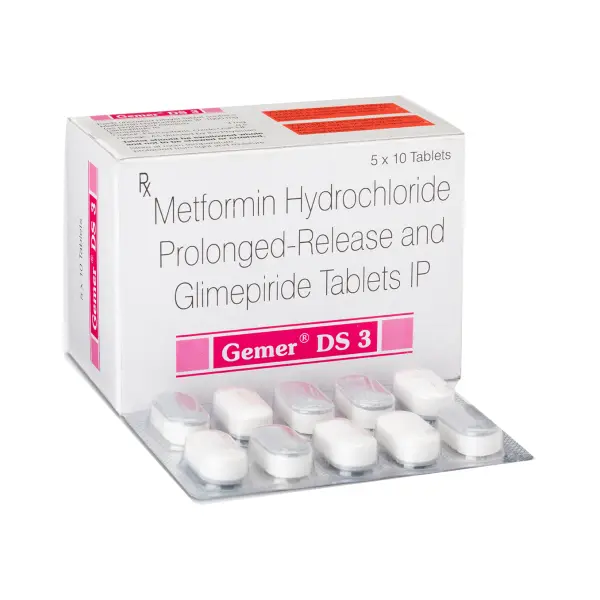
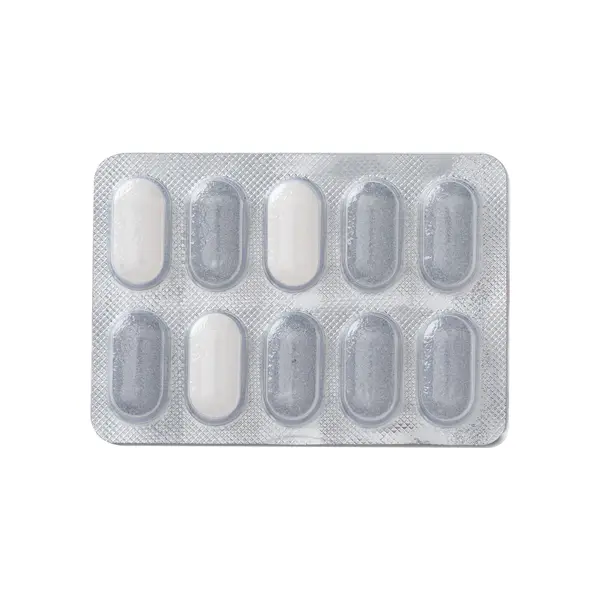
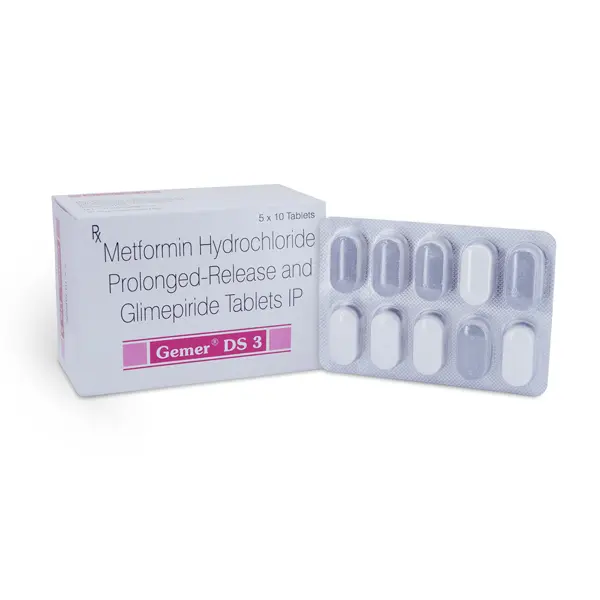
Gemer DS 3mg Tablet
₹154.4


Estimate Delivery by -


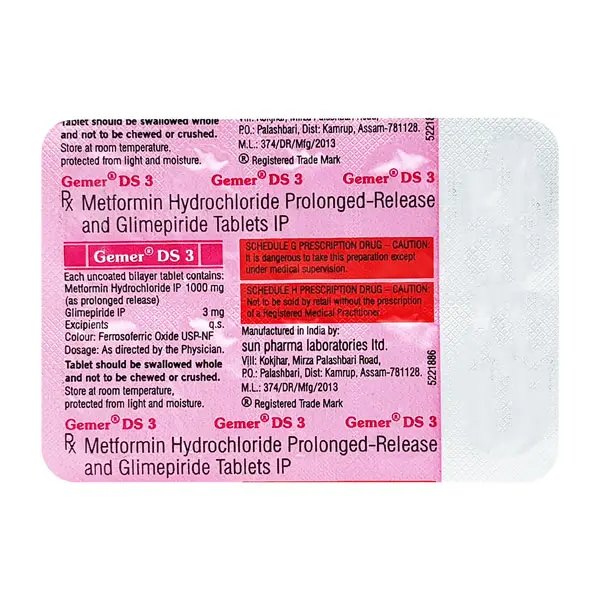
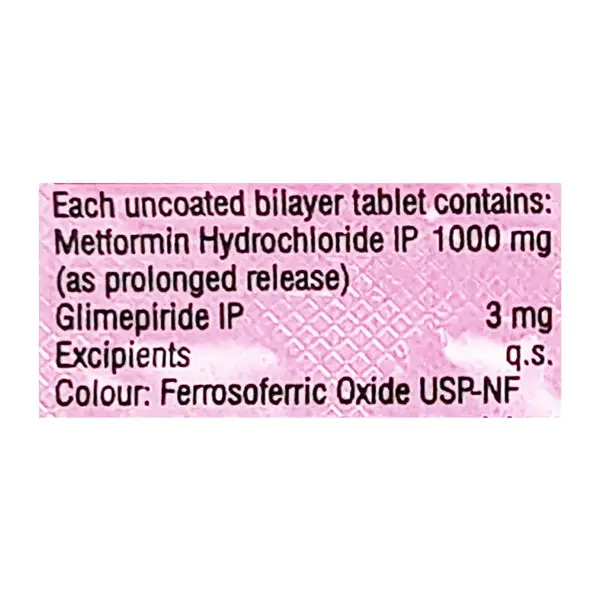
Gemer DS 3mg Tablet is a medication prescribed for the management of type 2 diabetes mellitus in adults. It is typically used when diet, exercise, and a single diabetes medicine do not provide adequate control over blood sugar levels. This tablet contains a combination of Glimepiride 3mg and Metformin 1000mg, which are antidiabetic agents working together to help manage your blood sugar.
Glimepiride helps your pancreas produce more insulin, a natural hormone that lowers blood sugar. It also improves how your body uses insulin effectively. Metformin works by reducing the amount of sugar produced and released into your blood by the liver, and it also helps your body respond better to insulin.
To achieve the best results with Gemer DS 3mg Tablet, it is crucial to follow a balanced diet and engage in regular exercise as advised by your doctor. Before starting Gemer DS 3mg Tablet, inform your doctor if you have type 1 diabetes mellitus, diabetic ketoacidosis, severe liver or kidney disease, or acute heart problems. Also, tell your doctor if you are pregnant, planning to become pregnant, or breastfeeding, as this medicine may not be suitable. It is not recommended for use in children and adolescents under 18 years of age.
It is important to avoid alcohol consumption while taking Gemer DS 3mg Tablet, as it can dangerously affect your blood sugar levels and increase the risk of a serious condition called lactic acidosis. Common side effects of Gemer DS 3mg Tablet include taste disturbance, diarrhea, or stomach ache. If any of these symptoms become severe or bothersome, please contact your doctor for advice.
Uses:
- Gemer DS 3mg Tablet is primarily used for the management of type 2 diabetes mellitus in adults.
- It is prescribed when a healthy diet, regular exercise, and treatment with a single anti-diabetic agent have not adequately controlled blood sugar levels.
- This medication helps to lower and maintain blood glucose within a target range, thereby reducing the risk of diabetes-related complications.
Directions of Use
Always take Gemer DS 3mg Tablet exactly as your doctor has prescribed. Do not crush, chew, or break the tablet; swallow it whole with a glass of water.
- Dosage: Your doctor will determine the correct dose and how often you should take Gemer DS 3mg Tablet based on your blood sugar levels and overall health condition.
- Timing: It is usually recommended to take this medication with your meals to help minimize stomach upset and reduce the risk of low blood sugar (hypoglycemia).
- Consistency: Take Gemer DS 3mg Tablet at the same time each day to help you remember and maintain consistent blood sugar control.
- Do Not Stop Abruptly: Do not stop taking this medicine even if you feel better without consulting your doctor, as discontinuing treatment can cause your blood sugar levels to rise again.
Following these instructions carefully is essential for effective management of your type 2 diabetes mellitus.
Side effects
While taking Gemer DS 3mg Tablet, you might experience some side effects. If any of the following side effects become severe or bothersome, or if you notice any unusual changes, please consult your doctor. Immediately stop taking Gemer DS 3mg Tablet and seek urgent medical attention if you experience:
- Symptoms of severe low blood sugar (Hypoglycemia): These can include intense hunger, dizziness, confusion, sweating, trembling, rapid heartbeat, blurred vision, or weakness. This is a serious condition that requires immediate treatment.
- Symptoms of Lactic Acidosis: This is a rare but very serious side effect, especially with the Metformin component of Gemer DS 3mg Tablet. Look for symptoms like severe muscle pain, unusual tiredness, difficulty breathing, stomach pain, cold or bluish skin, and a slow or irregular heartbeat.
- Severe Allergic Reactions: Signs include rash, itching, swelling of the face, throat, or tongue, severe dizziness, or trouble breathing.
Common side effects of Gemer DS 3mg Tablet may include:
- Nausea, vomiting, diarrhea, stomach pain
- Changes in taste (metallic taste)
- Headache
- Dizziness
These common side effects usually improve as your body adjusts to the medicine. However, if they persist or worsen, contact your doctor for advice on managing your type 2 diabetes mellitus treatment.
