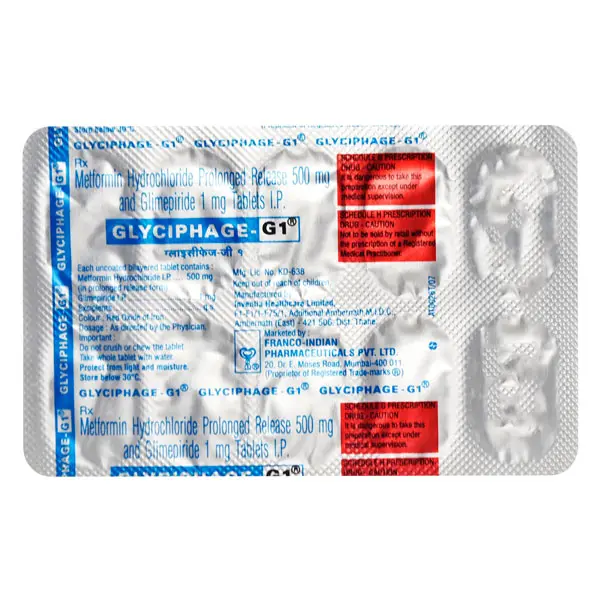
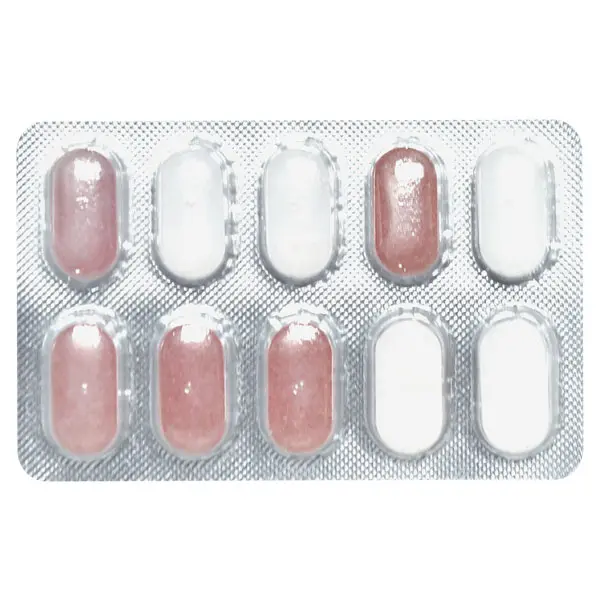
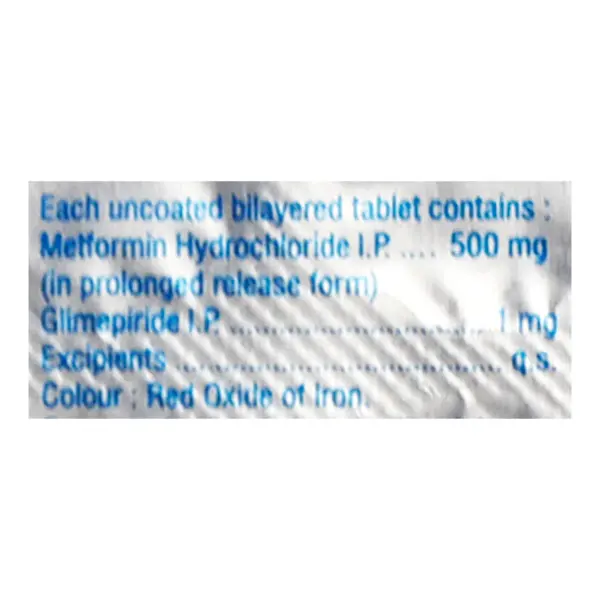
Glyciphage G 1mg Tablet
₹78.8


Estimate Delivery by -


 Same formula
 Savings of 39.28%
Glimimore 1 MF 500 SR Tablet
₹47.85

Compare your medicine
Details
You Searched

Glyciphage G 1mg Tablet
₹78.8
Same formula
₹47.85
Savings of 39.28%To get the most benefit, Glyciphage G 1mg Tablet should be taken with food, regularly at the same time each day. Your doctor will determine the appropriate dose for you, which may be adjusted based on your blood sugar levels and how the medicine is working.
It is crucial to continue taking Glyciphage G 1mg Tablet as prescribed, even if you feel well or your blood sugar levels are controlled. Stopping this medicine without consulting your doctor can cause blood sugar levels to rise, increasing the risk of serious complications such as kidney damage, vision problems, nerve damage, and limb loss. Remember that this medication is part of a comprehensive diabetes management plan that should include a healthy diet, regular exercise, and weight management, as advised by your doctor. Your lifestyle choices play a significant role in managing type 2 diabetes mellitus.
A common side effect of Glyciphage G 1mg Tablet is low blood glucose levels (hypoglycemia). Be aware of the signs of low blood sugar, such as sweating, dizziness, headache, and shaking, and know how to manage them. To help prevent hypoglycemia, ensure you eat regular meals and always carry a quick source of glucose, like sugary food or fruit juice. Consuming alcohol can also increase your risk of low blood sugar and should be avoided. Other possible side effects include changes in taste, nausea, diarrhea, stomach pain, headache, and upper respiratory tract infection. Some individuals may experience weight gain with this medicine.
Do not take Glyciphage G 1mg Tablet if you have type 1 diabetes mellitus, diabetic ketoacidosis (high acid levels in your blood), or severe kidney or liver disease. Before starting this medicine, inform your doctor if you have ever had heart disease, as it may not be suitable. Pregnant or breastfeeding women should also consult their doctor before using Glyciphage G 1mg Tablet. Regular monitoring of your blood sugar levels is important, and your doctor may also recommend blood tests to check your blood cell counts and liver function.
Uses:
- Treatment of Type 2 diabetes mellitus
Directions of Use
Side effects
Most side effects from Glyciphage G 1mg Tablet do not require immediate medical attention and usually subside as your body adjusts to the medicine. Consult your doctor if these side effects persist or if you are concerned about them.
- Headache
- Hypoglycemia (low blood glucose level)
- Nausea
- Diarrhea
