Home / Dr Morepen /Norflox 200mg Tablet 10s
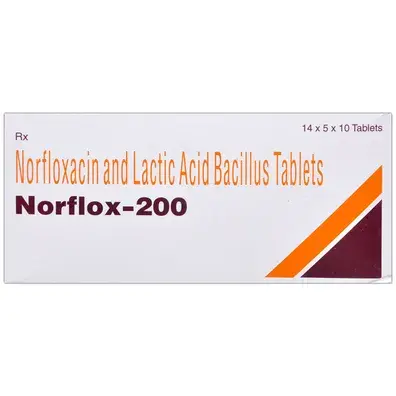
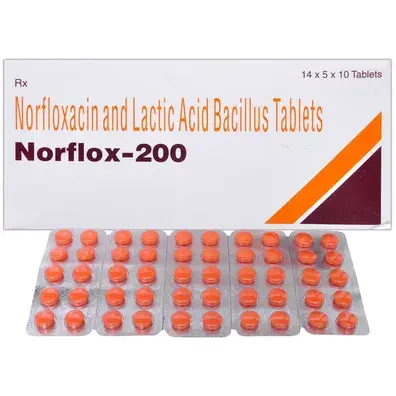
Norflox 200mg Tablet 10s
Cipla Ltd
₹40.08
₹44.53
10% OFF
10sAntiinfective

Prescription Required
Know Why?

Estimate Delivery by -


Cash on Delivery Available
Get your products first, then pay us once you're sure about your order
Norflox 200mg Tablet 10 Tablets
Overview
Norflox is an antibiotic that contains Norfloxacin as the active ingredient. It belongs to the class of drugs known as fluoroquinolones. Norfloxacin is used to treat various bacterial infections by inhibiting the growth of bacteria. It is commonly prescribed for urinary tract infections, gastrointestinal infections, and other bacterial infections.
Composition
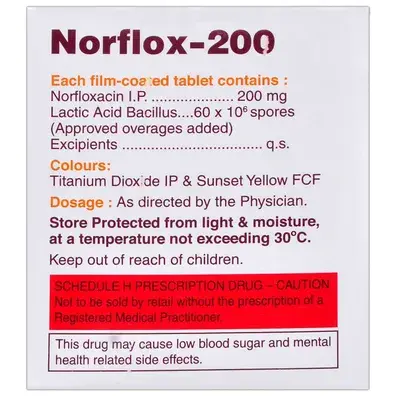
- Norfloxacin: 200 mg per tablet.
Uses
- Urinary Tract Infections (UTIs): Norflox is commonly prescribed for uncomplicated and complicated UTIs, including cystitis and pyelonephritis.
- Gastrointestinal Infections: It is used to treat bacterial infections in the stomach and intestines, such as traveler's diarrhea caused by susceptible organisms.
- Prostatitis: Norfloxacin can also be used to treat infections of the prostate gland.
- Other Infections: It may be used to treat infections in other parts of the body, depending on the type and severity.
Dosage & Administration
- Recommended Dosage: The typical dosage of Norflox is 200 mg twice daily, but your healthcare provider may adjust the dosage based on your condition.
- How to Take: Take Norflox tablets with a glass of water. It is generally recommended to take it on an empty stomach for better absorption, at least 1 hour before or 2 hours after meals.
- Full Course: It's essential to complete the entire prescribed course of the medication, even if you start feeling better, to prevent antibiotic resistance.
Side Effects
Common side effects may include:
- Nausea or vomiting
- Headache
- Dizziness
- Diarrhea
- Stomach pain or discomfort
Serious side effects (though rare) include:
- Tendon rupture or inflammation (especially in older adults)
- Severe allergic reactions: Rash, swelling, itching, difficulty breathing
- Nervous system effects: Seizures, tremors, or confusion
- Heart problems: Irregular heartbeat or QT prolongation
- Liver or kidney problems: Yellowing of the skin or eyes, dark urine, or reduced urine output
If you experience any of these serious side effects, seek medical attention immediately.
Precautions
- Allergy: Do not take Norflox if you are allergic to Norfloxacin, any fluoroquinolone antibiotics, or any other components of the tablet.
- Tendon Issues: Fluoroquinolones like Norflox have been associated with tendon rupture, particularly in older adults, so be cautious if you have tendon disorders or a history of tendonitis.
- Liver or Kidney Disease: If you have liver or kidney disease, consult your doctor before using Norflox, as adjustments to the dosage may be required.
- Pregnancy and Breastfeeding: Norflox is not typically recommended during pregnancy or breastfeeding unless deemed necessary by your doctor, as it may affect the developing fetus or pass into breast milk.
- Drug Interactions: Norflox may interact with other medications, including:
- Antacids or iron supplements: These can reduce the absorption of Norflox, so take the antibiotic at least 2 hours before or 2 hours after these medications.
- Blood thinners: Norflox may enhance the effects of blood-thinning medications like warfarin, increasing the risk of bleeding.
Storage
- Store at room temperature, away from direct sunlight and moisture.
- Keep out of reach of children.
Important Notes
- Hydration: Drink plenty of fluids while taking Norflox to help prevent the formation of crystals in the urine, which can occur with some fluoroquinolones.
- Avoid Sun Exposure: Norflox can make your skin more sensitive to sunlight. Wear sunscreen or avoid prolonged sun exposure to prevent sunburn.
- Follow-Up: If your symptoms persist or worsen, consult your healthcare provider for further evaluation or a change in treatment.
Always consult your healthcare provider or pharmacist for personalized advice regarding the use of this medication.
Uses:
- anti-arrhythmic (e.g. quinidine, hydroquinidine, disopyramide, amiodarone, sotalol, dofetilide, ibutilide) (used to manage heart problems)
- tricyclic antidepressants (used to manage depression)
- antimicrobials (belong to the group of macrolides)
- antipsychotics (used to manage psychosis)
- antacids (used for indigestion or heartburn)
- sucralfate (used for stomach ulcers or an inflamed stomach (gastritis)
- calcium, magnesium, aluminum, iron, zinc, multivitamins, minerals
- theophylline (used for breathing problems)
- warfarin, phenprocoumon or acenocoumarol (used to thin the blood)
- fenbufen (used for joint pain)
- glibenclamide (used to manage diabetes)
- didanosine (used for HIV or AIDS)
- ciclosporin, mycophenolic acid (used after transplants and for some other illnesses)
- probenecid (used for gout)
- caffeine
