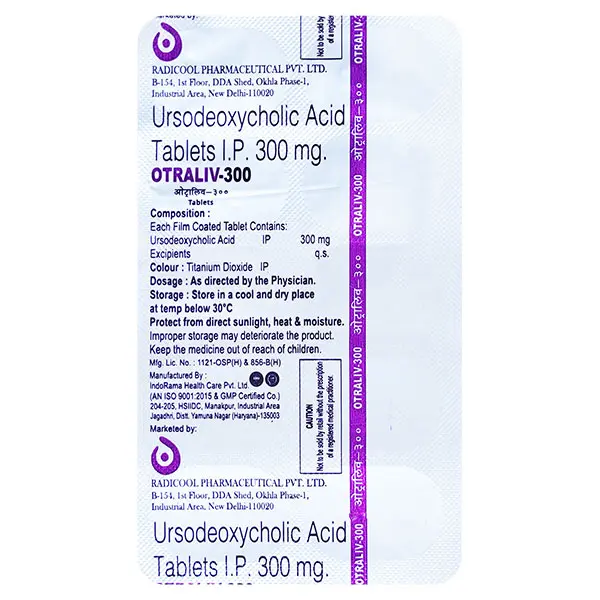
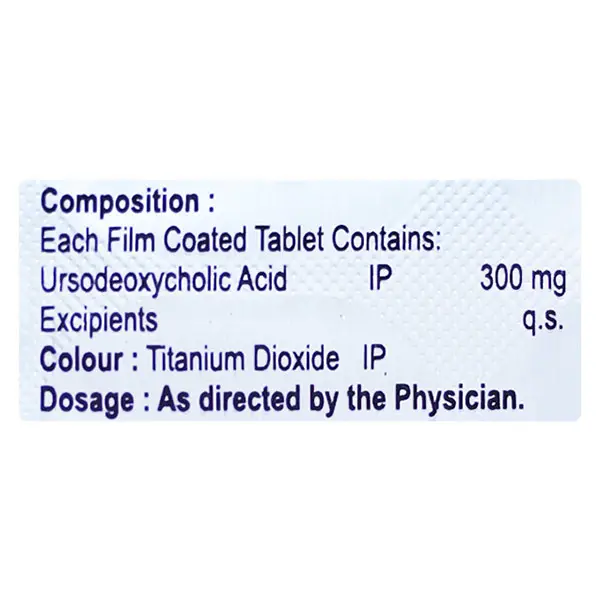
Otraliv 300 Tablet 10s
₹409.5


Estimate Delivery by -


 Same formula
 Savings of 31.37%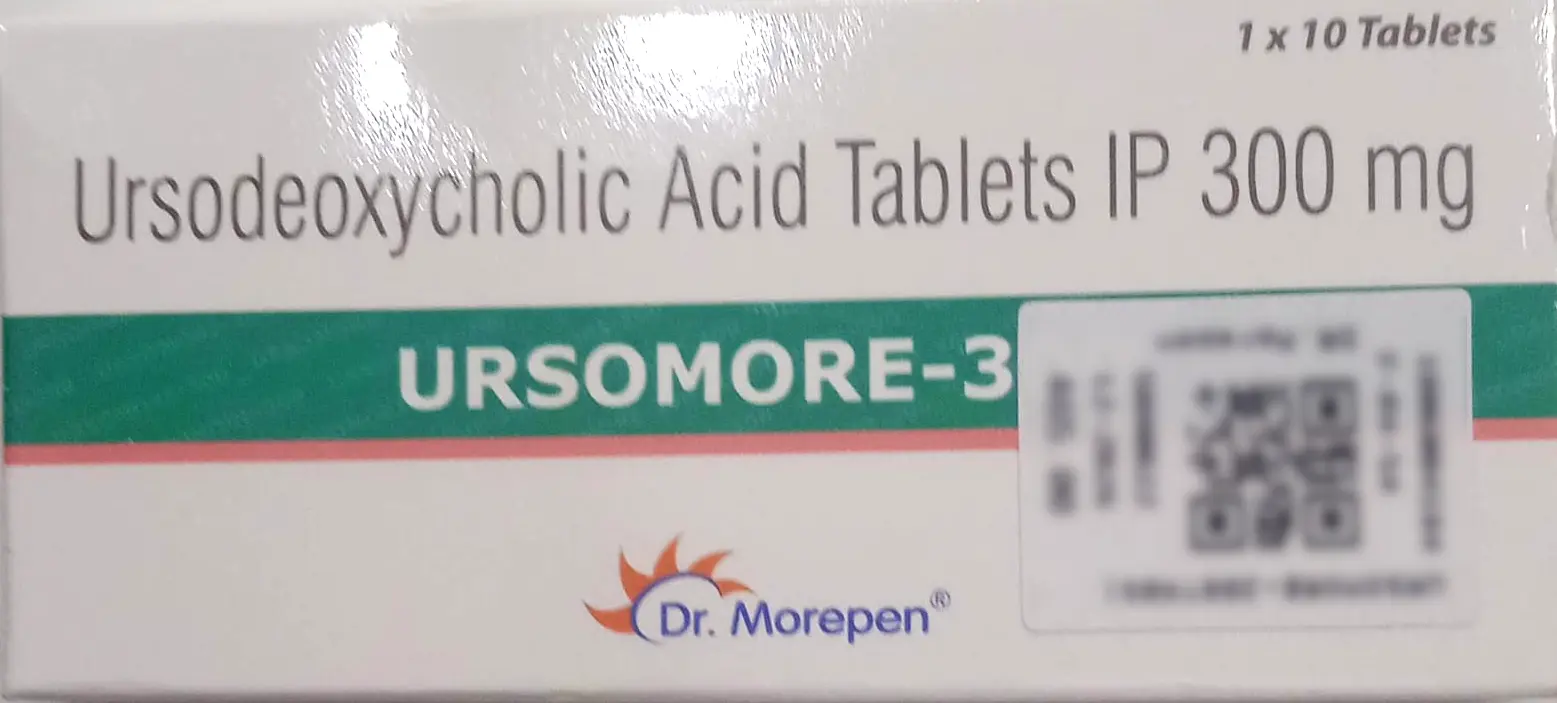
Ursomore 300mg Tablet
₹281.05

Compare your medicine
Details
You Searched
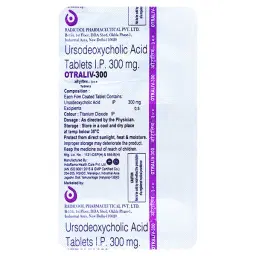
Otraliv 300 Tablet 10s
₹409.5
Same formula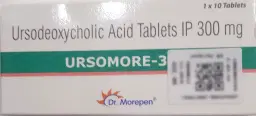
₹281.05
Savings of 31.37%OTRALIV 300 TABLET is used in the management of gall stones and primary biliary cirrhosis (damage of bile ducts in the liver leading to the buildup of bile). It can also be used for liver disease associated with cystic fibrosis in children aged 6 to less than 18 years.
It contains Ursodeoxycholic Acid, which is a liver health supplement that works by removing toxins from the liver, thereby improving its function. For gall stone dissolution, OTRALIV 300 TABLET works by reducing cholesterol produced by the gall bladder
OTRALIV 300 TABLET should be used only under medical supervision. It can be taken with or without meals.
OTRALIV 300 TABLET is not recommended for use in patients with allergies to bile acids, calcified gallstones, inflammation of the gallbladder or the bile ducts, blockage of the common bile duct or cystic duct, frequent cramp-like pains in the upper abdomen, low bile flow in children, or improper function of the gall bladder. OTRALIV 300 TABLET should be used with caution in patients with liver diseases.
OTRALIV 300 TABLET should be taken during pregnancy only if clearly advised by the doctor and should be used with caution in breast-feeding women. Ask for your doctor's advice before taking. OTRALIV 300 TABLET can be used in children, adolescents, and the elderly. Your doctor will decide the correct dose and duration of therapy with OTRALIV 300 TABLET for you.
The most common side effects of taking OTRALIV 300 TABLET are soft, loose stools or diarrhea. Consult your doctor if the symptoms worsen or don't improve.
Uses:
- Primary biliary cirrhosis (PBC)
- Gallstones (not visible on X-rays in patients with a functioning gall bladder)
- Liver disease associated with cystic fibrosis in children aged 6 to 18 years
Directions of Use
OTRALIV 300 TABLET supports liver detoxification by increasing the bile flow through the liver and protects liver cells. It is concentrated in bile and decreases biliary cholesterol by suppressing the formation of new cholesterol by inhibiting its intestinal absorption. The reduced cholesterol levels lead to gradually solubilization of cholesterol from gallstones, resulting in their dissolution.
