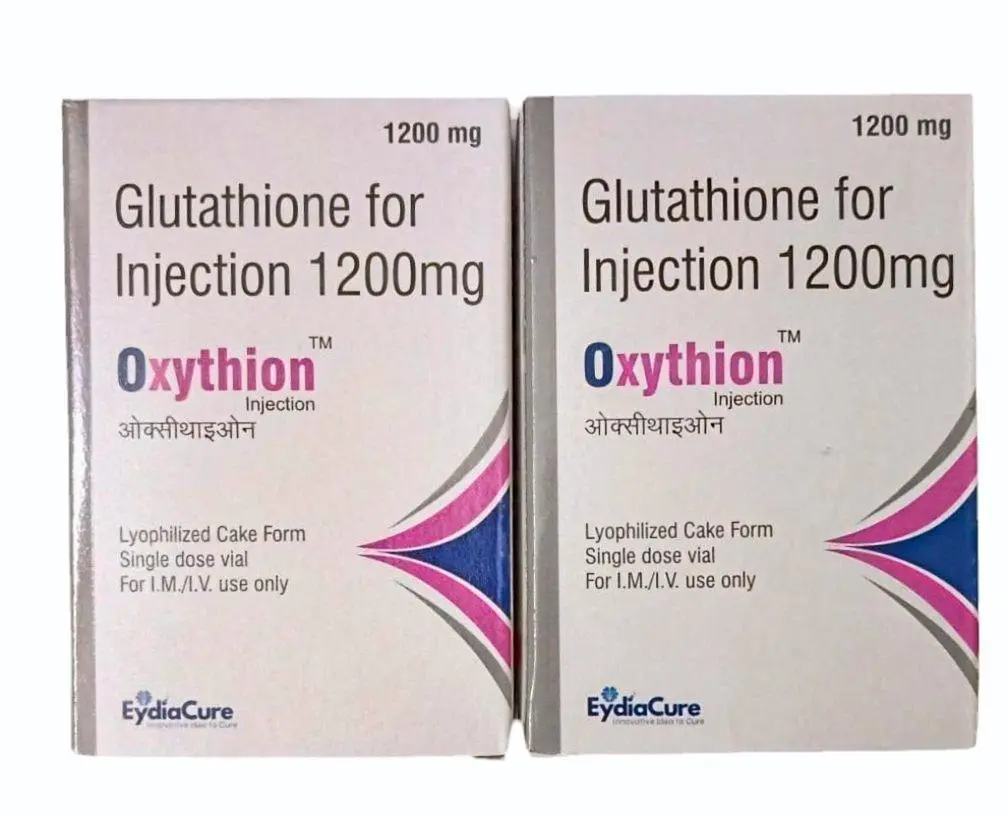
Oxythion 1200mg Injection 1s
₹3799


Estimate Delivery by -


Oxythion Injection 1200mg 1 Injection
Overview
Oxythion is an injectable medication that typically contains Thiotepa as the active ingredient. Thiotepa is an alkylating agent used primarily in chemotherapy for certain cancers. It works by interfering with the growth of cancer cells and preventing their multiplication. This injection is usually administered under medical supervision in a clinical setting.
Composition
- Thiotepa: 1200 mg per vial (active ingredient).
Uses
- Cancer Treatment: Oxythion is used in the treatment of several types of cancer, including:
- Breast Cancer: For patients who may benefit from chemotherapy as part of a comprehensive treatment plan.
- Ovarian Cancer: In certain cases, it may be used as part of the treatment for ovarian cancer.
- Bladder Cancer: It is sometimes used in the treatment of superficial bladder cancers.
- Leukemia and Lymphoma: As a part of multi-drug chemotherapy regimens for blood cancers.
- Palliative Care: It may also be used for symptom control in cases where other treatment options have not been successful.
Dosage & Administration
- Recommended Dosage: The dosage of Oxythion depends on the specific type of cancer, the patient's overall health, and other treatments being used. Typically, it is administered via intravenous (IV) infusion or intraperitoneally (directly into the abdomen).
- Standard Dosage: Usually 1200 mg per dose, which is often given in cycles, but exact dosage and frequency should be determined by the oncologist.
- The injection is typically administered under strict medical supervision due to the potential for side effects and toxicity.
- How it's Administered:
- The injection is given by a healthcare professional, either as an infusion or directly into the body cavity (e.g., into the peritoneum in abdominal cancers).
Side Effects
As a chemotherapy drug, Oxythion can cause various side effects, including:
- Bone Marrow Suppression: This can lead to low levels of red blood cells, white blood cells, and platelets, increasing the risk of infection, bleeding, and anemia.
- Nausea and Vomiting: These are common side effects of chemotherapy drugs.
- Fatigue: Patients may experience extreme tiredness.
- Hair Loss: Temporary hair loss may occur as a result of chemotherapy.
- Mouth Sores or Ulcers: This can happen in some individuals.
- Liver Toxicity: Elevated liver enzymes or damage to liver cells may occur.
- Kidney Toxicity: Changes in kidney function or damage can occur.
- Infections: The risk of infection may increase due to reduced white blood cell count.
- Skin Reactions: Pain, redness, or swelling at the injection site.
Serious side effects (though rare) include:
- Severe allergic reactions: Difficulty breathing, rash, swelling, or itching.
- Severe bone marrow suppression: Can lead to life-threatening conditions if not monitored closely.
If any serious side effects occur, immediate medical attention should be sought.
Precautions
- Allergy: Inform your healthcare provider if you have any history of allergies to chemotherapy agents like thiotepa or any other components of the injection.
- Pregnancy and Breastfeeding: Oxythion should not be used during pregnancy or breastfeeding, as it can harm the fetus or infant. It is crucial to discuss with your doctor if you are pregnant, planning to become pregnant, or breastfeeding.
- Kidney and Liver Disease: Patients with pre-existing kidney or liver problems should use thiotepa with caution, as these organs metabolize the drug.
- Infections: Since the drug can suppress the immune system, you should inform your doctor if you have an active infection or are prone to infections.
Storage
- Storage: The vial should be stored according to the manufacturer's instructions, typically in a cool, dry place, and protected from light. It may need to be refrigerated.
- Expiry: Do not use the injection past its expiration date.
Important Notes
- Close Monitoring: Patients receiving Oxythion should be closely monitored by healthcare professionals for side effects, particularly bone marrow suppression, liver and kidney function, and signs of infection.
- Supportive Care: Supportive medications may be required to manage nausea, infections, or other side effects.
- Hydration: Staying hydrated during treatment can help mitigate some side effects.
Oxythion is a potent chemotherapy drug that should only be used under the care of an oncologist. Always follow the medical advice provided by your healthcare team and report any unusual symptoms immediately.
