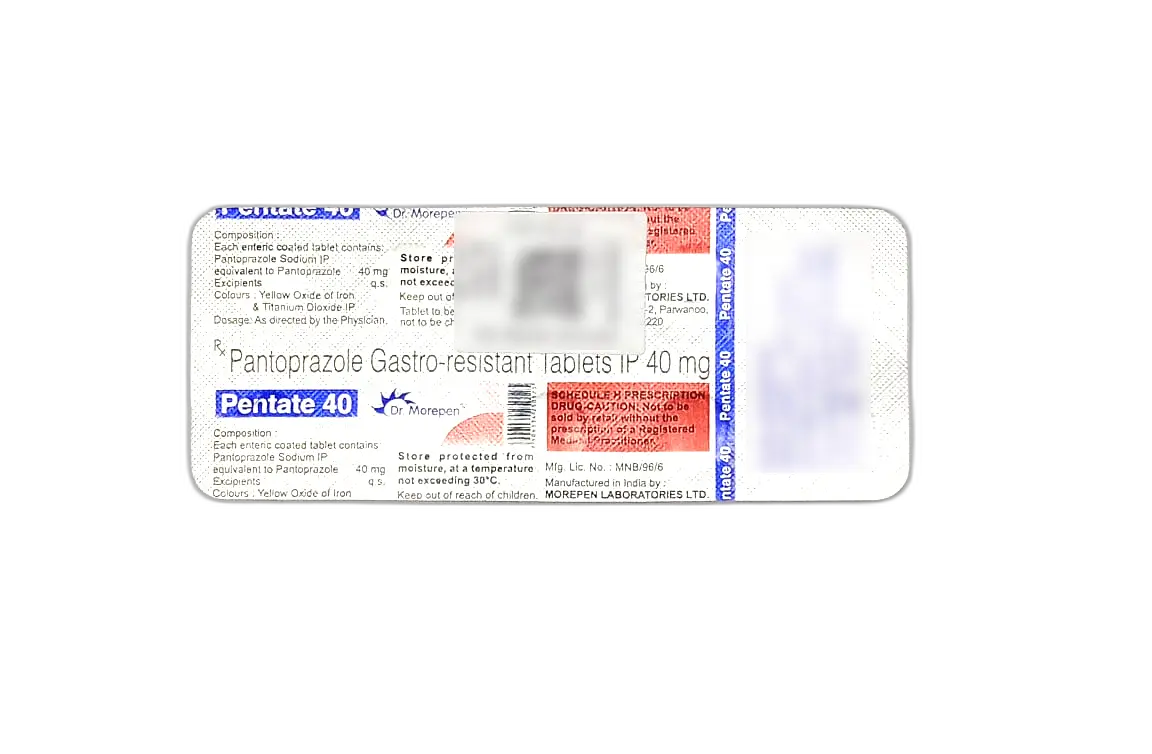
Pentate 40 Tablet
₹70.2


Estimate Delivery by -


Pentate 40 Tablet is also used to prevent stomach ulcers and acidity, which can sometimes occur with the long-term use of certain painkillers. As a proton pump inhibitor (PPI), Pentate 40 Tablet works by blocking the acid-producing pumps in your stomach. For optimal results, this medicine should be taken once daily, ideally in the morning, approximately one hour before a meal. Your doctor will determine the appropriate dose based on your specific condition and how you respond to the treatment. It's important to continue taking Pentate 40 Tablet as prescribed, even if your symptoms improve quickly. Complementing your treatment with lifestyle changes, such as eating smaller, more frequent meals and avoiding caffeinated drinks (like tea and coffee), spicy, or fatty foods, can enhance its effectiveness.
While generally well-tolerated, common side effects associated with Pentate 40 Tablet include nausea, vomiting, headache, dizziness, flatulence, diarrhea, and stomach pain. These side effects are usually mild; however, if they persist or become bothersome, please consult your doctor. Long-term use of Pentate 40 Tablet, particularly for more than one year or at higher doses, may increase the risk of certain side effects, such as bone fractures. Discuss with your doctor ways to help prevent bone loss (osteoporosis), which may include taking calcium and vitamin D supplements.
Before starting Pentate 40 Tablet, inform your doctor if you have severe liver problems, are currently taking medications for HIV, have a history of allergic reactions to similar medicines, or have been diagnosed with bone loss (osteoporosis). Pregnant or breastfeeding women should also seek medical advice from their doctor before using this medication.
Uses:
- Acidity relief
- Treatment of Heartburn
- Management of Gastroesophageal reflux disease (Acid reflux)
- Treatment of Peptic ulcer disease
- Treatment of Zollinger-Ellison syndrome
Directions of Use
Side effects
Most side effects from Pentate 40 Tablet are generally mild and do not require medical attention as your body adjusts to the medicine. However, consult your doctor if these symptoms persist or if you are concerned about them:
- Upper respiratory tract infection
- Dizziness
- Nausea
- Abdominal pain
- Flatulence
- Headache
- Vomiting
- Diarrhea
- Joint pain
- Injection site reaction
