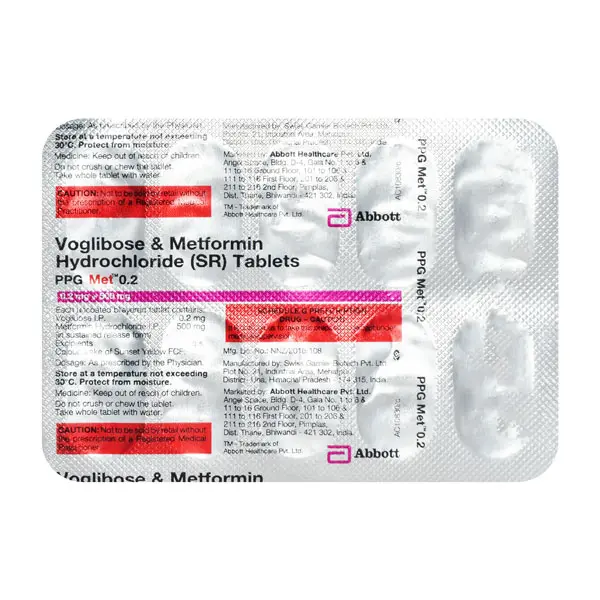
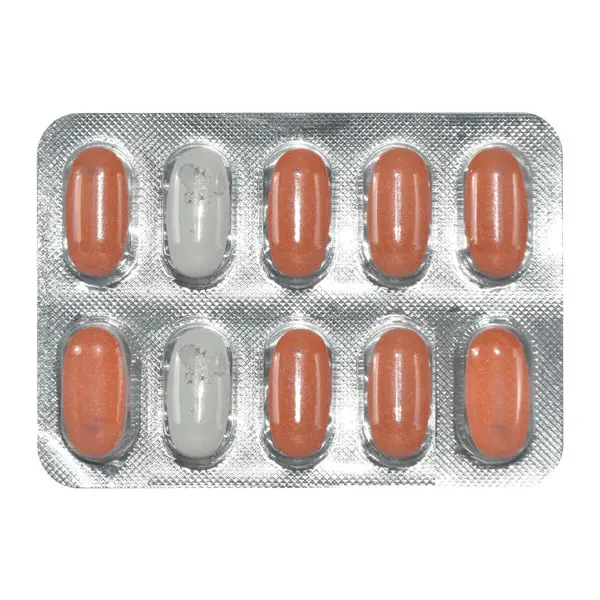
Ppg Met 0.2mg Tablet 10s
₹138.52


Estimate Delivery by -


PPG MET 0.2MG TABLET is indicated as a second-line therapy for the management of type II diabetes mellitus when diet, exercise and therapy with single agents does not result in adequate glycemic control.
It contains a combination of two medicines, namely metformin and voglibose which works together to control blood sugar levels in people with type 2 diabetes. Metformin reduces sugar production in the liver and increases the body's sensitivity to insulin, helping it use sugar more effectively. Voglibose slows down the breakdown and absorption of carbohydrates in the gut, preventing a sudden rise in blood sugar levels after meals.
Take PPG MET 0.2MG TABLET as directed by your physician. Taking this medicine after meals helps to avoid stomach upset. Do not stop using PPG MET 0.2MG TABLET without talking to your doctor. Prior to the management, your doctor may want you to take several blood tests to understand your existing kidney condition.
Avoid consumption of alcohol while taking PPG MET 0.2MG TABLET as it could aggravate your existing disease condition and increase the risk of lactic acidosis.
PPG MET 0.2MG TABLET is generally not recommended for use in pregnant or breastfeeding women and in children (aged less than 18 years) due to lack of safety and effectiveness. It should be used with caution in elderly patients (aged 65 years or above).
The most common side effects of taking PPG MET 0.2MG TABLET are nausea, vomiting, diarrhea, stomach pain, headache and dizziness. Consult your doctor if any of the side effects worsen.
Uses:
- To manage type II diabetes mellitus (as second-line of therapy) when diet, exercise and therapy with single agents does not result in adequate glycemic control
Directions of Use
[GBNKYWORD] helps to control blood sugar levels, where metformin works by reducing the amount of glucose released into the blood by the liver and voglibose acts by reversibly inhibiting the activity of various carbohydrate digestive enzymes (Ex. sucrose, maltose, zomaltase, etc.) in the gut, thus leading to delayed digestion and absorption of glucose into the blood stream.
